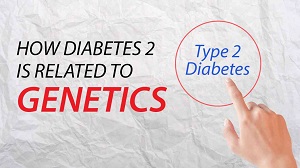
Type 2 diabetes is a condition in which the body does not use insulin effectively or cannot produce enough insulin to keep blood sugar levels within a healthy range. Genetics can influence a person's risk of developing this condition, but genes are only part of the picture. Lifestyle, age, family history, and other health factors also contribute.
How Do Genes Influence Type 2 Diabetes?
Type 2 diabetes often runs in families. If a parent or sibling has the condition, your risk may be higher. This does not mean that you will definitely develop diabetes. Many people with a family history never develop it, while others develop the condition without a known family history.
Researchers have identified many genetic variations associated with type 2 diabetes. Some affect how the pancreas produces insulin, while others influence how the body regulates blood sugar. Three examples are TCF7L2, ABCC8, and CAPN10.
These genes are only a few examples. Type 2 diabetes is influenced by many genes interacting with environmental and lifestyle factors.
Understanding Your Diabetes Risk
BMI, family history, high blood pressure, abnormal cholesterol or triglyceride levels, physical inactivity, and a history of gestational diabetes can help healthcare professionals assess diabetes risk. Certain ancestry groups also have a higher average risk. These factors are not genetic tests, however, and they cannot confirm whether someone has diabetes.
Blood tests, such as fasting blood glucose or A1C, are used to diagnose diabetes and prediabetes. Genetic testing is generally reserved for particular situations where a rare inherited form of diabetes is suspected.
Steps That May Help Reduce Your Risk
Although you cannot change your genes or family history, you can take steps to help reduce your risk:
Understanding your family history can help you make informed decisions about prevention and screening. Genetics may influence your risk, but it does not determine your future on its own.
Disclaimer:
This article is provided for general informational and educational purposes only and does not constitute medical, nutritional, or professional advice. It is not intended to diagnose, treat, cure, or prevent any medical condition. Consult a qualified healthcare professional for individual risk assessment, diabetes screening, or guidance on prevention and treatment.
Recent Posts
Exercises to Improve Your Mind and Body
Some Necessary Bodyweight Exercises You Must Do
Top Most Studied Genes In Human Body
Dealing With Stress in a Better Way
Essential Health Guides for a Healthy Life
Activities You Can Do To Stay Active This Summer
Healthy Habits For a Healthy Lifestyle
Some Effortless Tips To Manage Your Family
What Lifestyle Changes You Need To Do From Today
Blogs Archives
 0 Likes
 0 Love
 0 Interesting
 0 Congratulate
 0 Not So Good


Welcome to HWiz360 Games
Select to Play

FIT Score Quiz


Calorie Quiz

Nutrient Quiz

Feeling Lucky

Find Following

Knowledge Hunt



Choose box to open



Correct Answers :
You Scored 0%
You answered 0/0 correctly

Correct Answers :
You Scored 0%
You answered 0/0 correctly

Correct Answers :