Strong shins play an important role in supporting healthy legs and feet, especially during running, jumping, and high-impact workouts. When the shins are overloaded or stressed, however, pain and discomfort can develop—commonly known as shin splints
. Preventing this condition is essential for maintaining consistent training and avoiding more serious injuries.
This article explains what shin splints are, common risk factors, and practical strategies that may help reduce the risk of developing them.
Shin splints
, medically referred to as medial tibial stress syndrome
, cause pain or aching along the shinbone (tibia), particularly during or after physical activity. The condition typically results from repeated stress on the tibia and the surrounding muscles and connective tissues.
Shin splints are commonly observed in:
Runners and athletes
Dancers
Military recruits
Individuals who rapidly increase physical activity
Studies suggest shin splints affect approximately 13% of runners
, 22% of dancers
, and 8% of military trainees
.
Several factors may contribute to the development of shin splints, including:
Running or training on hard surfaces for extended periods
Poor running mechanics, such as excessive supination
Wearing shoes that lack proper support or cushioning
Frequent downhill running
Anatomical factors, such as flat feet or high arches
Sudden increases in workout intensity or duration
Understanding these factors is key to prevention.
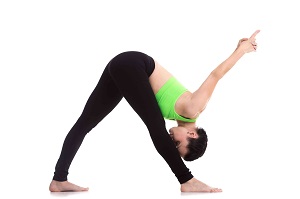
Consistent stretching is one of the most effective ways to reduce tension around the shin and calf muscles. Stretching helps improve flexibility, reduce muscle tightness, and support proper movement patterns.
Recommended stretches include:
Gastrocnemius (calf) stretch
Soleus calf stretch
Standing Achilles tendon stretch
Seated Achilles tendon stretch
Tibialis anterior stretch
Stretching is especially beneficial after cardio workouts and running sessions.
Strengthening the muscles that support the shin and ankle may reduce stress on the tibia.
Key muscle groups to target include:
Tibialis anterior
Gastrocnemius and soleus (calf muscles)
Improved muscle strength can help absorb impact forces more effectively during activity.
Training on hard or uneven surfaces increases impact stress on the shins. When possible, choose softer surfaces such as:
Treadmills
Grass fields
Rubberized tracks
Rotating surfaces can also help distribute stress more evenly.
Footwear plays a critical role in shock absorption and foot alignment. Wearing shoes that provide adequate cushioning, arch support, and stability can significantly reduce stress on the shinbones.
Shoes should be:
Appropriate for your foot type
Designed for your activity (running, walking, training)
Replaced regularly as cushioning wears down
Rest is essential for injury prevention. Overtraining without adequate recovery increases the risk of shin splints.
Helpful recovery strategies include:
Avoiding consecutive running days, especially for beginners
Taking rest days between high-impact workouts
Reducing activity intensity when pain appears
Listening to your body is critical for long-term progress.
Maintain a healthy body weight
Improve running form and technique
Gradually increase workout intensity and duration
Incorporate cross-training to reduce repetitive stress
This article is intended for informational and educational purposes only.
It does not constitute medical, fitness, or professional advice and should not be used as a substitute for diagnosis or treatment by a qualified healthcare provider. If you experience persistent shin pain, swelling, or discomfort, consult a medical or sports health professional before continuing physical activity.
Recent Posts
Exercises to Improve Your Mind and Body
Some Necessary Bodyweight Exercises You Must Do
Top Most Studied Genes In Human Body
Dealing With Stress in a Better Way
Essential Health Guides for a Healthy Life
Activities You Can Do To Stay Active This Summer
Healthy Habits For a Healthy Lifestyle
Some Effortless Tips To Manage Your Family
What Lifestyle Changes You Need To Do From Today
Blogs Archives
 0 Likes
 0 Love
 0 Interesting
 0 Congratulate
 0 Not So Good


Welcome to HWiz360 Games
Select to Play
FIT Score Quiz


Calorie Quiz

Nutrient Quiz

Feeling Lucky

Find Following

Knowledge Hunt



Choose box to open



Correct Answers :
You Scored 0%
You answered 0/0 correctly

Correct Answers :
You Scored 0%
You answered 0/0 correctly

Correct Answers :