
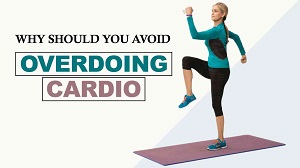
Cardiovascular exercise—commonly known as cardio
—plays an important role in improving heart health, stamina, and overall fitness. Activities such as running, cycling, swimming, and brisk walking can help support weight management, endurance, and mental well-being.
However, as with any form of exercise, more is not always better
. Excessive or unbalanced cardio training—especially without adequate recovery—can place unnecessary stress on the body and may reduce overall fitness progress. This article explains why overdoing cardio can be counterproductive and how to approach it more safely and effectively.
Overdoing cardio generally refers to:
Performing high volumes of cardiovascular exercise daily
Spending long durations (e.g., hours) on cardio without rest
Replacing strength training and recovery with excessive cardio
Exercising beyond the body’s ability to recover
When this happens consistently, the body may struggle to adapt and repair itself properly.
Prolonged or frequent cardio sessions can significantly deplete glycogen (stored carbohydrates), which may increase hunger—particularly cravings for carbohydrate-rich foods. Without proper nutrition and recovery, this can make it harder to maintain balanced eating habits and energy levels.
Doing long cardio sessions repeatedly can lead to both physical fatigue and mental exhaustion
. Repeating the same activity for extended periods—such as running on a treadmill for an hour or more—may feel monotonous and reduce motivation over time.
Burnout can cause:
Reduced enjoyment of exercise
Decreased consistency
Increased likelihood of quitting workouts altogether
Balancing cardio with strength training, mobility work, or shorter sessions can help maintain long-term motivation.
Excessive cardio—especially high-impact activities like running—can place repetitive stress on joints, tendons, and muscles. Common overuse injuries may involve:
Knees
Ankles
Hips
Lower back
Without adequate rest and variety, the risk of chronic discomfort or injury may increase.
Long or frequent cardio sessions can elevate physical stress on the body, including hormonal and oxidative stress. When recovery time is inadequate, this may:
Delay muscle repair
Increase inflammation
Negatively affect overall performance
Recovery is essential for fitness progress, regardless of training goals.
Rather than eliminating cardio, aim for balance and moderation
:
Combine cardio with strength training
Vary exercise intensity and type
Include rest or active recovery days
Focus on consistency rather than extremes
Shorter, well-planned cardio sessions (e.g., 15–30 minutes) can be highly effective when paired with proper recovery and nutrition.
Cardio exercise offers many benefits, but overdoing it can limit progress and increase the risk of fatigue or injury. A balanced fitness routine that includes cardio, strength training, and adequate recovery is more sustainable and effective for long-term health.
This article is intended for informational and educational purposes only and does not constitute medical, fitness, or professional advice.
Individual fitness needs and tolerances vary. Always consult a qualified healthcare provider or fitness professional before making significant changes to your exercise routine, especially if you have existing health conditions or concerns.
Recent Posts
Exercises to Improve Your Mind and Body
Some Necessary Bodyweight Exercises You Must Do
Top Most Studied Genes In Human Body
Dealing With Stress in a Better Way
Essential Health Guides for a Healthy Life
Activities You Can Do To Stay Active This Summer
Healthy Habits For a Healthy Lifestyle
Some Effortless Tips To Manage Your Family
What Lifestyle Changes You Need To Do From Today
Blogs Archives
 0 Likes
 0 Love
 0 Interesting
 0 Congratulate
 0 Not So Good


Welcome to HWiz360 Games
Select to Play
FIT Score Quiz


Calorie Quiz

Nutrient Quiz

Feeling Lucky

Find Following

Knowledge Hunt



Choose box to open



Correct Answers :
You Scored 0%
You answered 0/0 correctly

Correct Answers :
You Scored 0%
You answered 0/0 correctly

Correct Answers :