 1 people reacted
Regular physical activity can play an important role in supporting overall health and quality of life. For many people with heart conditions, appropriate exercise may help improve physical fitness, energy, mobility, and daily functioning. However, the type and amount of exercise that is appropriate can vary significantly depending on an individual's heart condition and overall health.
Before beginning or changing an exercise routine, people with heart disease or other heart-related conditions should speak with their healthcare provider. A qualified professional can recommend activities and intensity levels that are appropriate for their individual situation.
Walking is often a simple and accessible form of physical activity. Depending on medical guidance and personal fitness levels, walking may be a helpful way to gradually increase daily movement. Start slowly and increase duration or intensity only as recommended by a healthcare professional.
Gentle stretching, mobility exercises, and certain forms of yoga may also support flexibility, balance, and relaxation. However, some yoga positions or techniques may not be appropriate for everyone. Choose activities carefully and avoid movements that cause discomfort or excessive strain.
Strength training may also provide benefits for some individuals, but it should be approached carefully. The appropriate amount of weight, number of repetitions, and breathing technique should be determined with guidance from a qualified healthcare or fitness professional familiar with the individual's condition.
An active lifestyle does not always require a structured workout. Simple activities such as walking short distances, taking movement breaks, doing household activities, and participating in enjoyable hobbies can help reduce prolonged sitting and encourage regular movement.
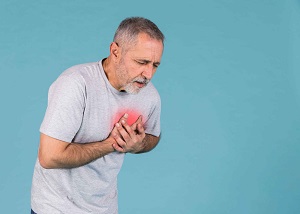
Pay attention to your body's signals. Stop exercising and seek appropriate medical attention if you experience symptoms such as chest pain, severe shortness of breath, dizziness, fainting, or other concerning symptoms.
Disclaimer:
This article is provided for general informational and educational purposes only and is not medical advice or a substitute for professional healthcare guidance. Exercise recommendations for individuals with heart conditions must be individualized. Always consult a qualified healthcare professional before starting, changing, or increasing an exercise program. If you experience chest pain, severe shortness of breath, dizziness, fainting, or other concerning symptoms, stop exercising and seek appropriate medical attention.
Recent Posts
Exercises to Improve Your Mind and Body
Some Necessary Bodyweight Exercises You Must Do
Top Most Studied Genes In Human Body
Dealing With Stress in a Better Way
Essential Health Guides for a Healthy Life
Activities You Can Do To Stay Active During Summer
Healthy Habits For a Healthy Lifestyle
Some Effortless Tips To Manage Your Family
What Lifestyle Changes Can You Start Making Today?
Blogs Archives
 0 Likes
 0 Love
1 Interesting
 0 Congratulate
 0 Not So Good


Welcome to HWiz360 Games
Select to Play

FIT Score Quiz


Calorie Quiz

Nutrient Quiz

Feeling Lucky

Find Following

Knowledge Hunt



Choose box to open



Correct Answers :
You Scored 0%
You answered 0/0 correctly

Correct Answers :
You Scored 0%
You answered 0/0 correctly

Correct Answers :