 1 people reacted
Stretching is an essential component of physical fitness that helps improve flexibility, mobility, and muscle recovery
. Similar to yoga, regular stretching can reduce post-workout soreness, enhance movement quality, and promote overall relaxation. Most people focus on commonly stretched muscles such as the glutes, quadriceps, hamstrings, and hips. However, several often-neglected body parts
also require attention to maintain balance and prevent stiffness or discomfort.
This article highlights key areas that are frequently overlooked in stretching routines and explains how stretching them may support physical comfort and relaxation—especially after intense training sessions or long periods of inactivity.
Stretching
involves gently lengthening muscles and connective tissues to improve range of motion and circulation. When practiced consistently, stretching may help:
Reduce muscle tightness and stiffness
Support joint mobility
Promote relaxation and better sleep
Improve posture and movement efficiency
Neglecting certain muscle groups can contribute to imbalance, discomfort, or restricted movement over time.
The latissimus dorsi (lats)
are large muscles located on the sides of the back and are heavily involved in pulling and overhead movements. Tight lats can limit shoulder mobility and contribute to poor posture.
How to perform:
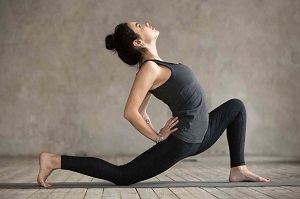
Begin in a half-kneeling (lunge) position
Reach upward and grasp a stable surface (such as a post or frame) with the outside arm
Gently lean back and to the side until you feel a stretch along the side of your torso
Hold for 30–60 seconds, breathing deeply, then switch sides
This stretch may help release upper-body tension and improve shoulder movement.
The soles of the feet contain the plantar fascia
, a band of connective tissue that plays a crucial role in walking, standing, and balance. Despite its importance, this area is often overlooked.
How to perform:
Place a small ball (such as a lacrosse or massage ball) under your foot
Slowly roll the ball from heel to toes
Apply gentle, controlled pressure
Spend 1–2 minutes on each foot
This technique may help relieve foot tension and promote relaxation throughout the lower body.
The wrists are heavily involved in exercises such as push-ups, weightlifting, and daily repetitive tasks. Tight wrists can lead to discomfort or limited movement.
How to perform:
Kneel on the floor and place your palms flat in front of you with arms straight
Gently shift weight forward to stretch the wrists
After holding briefly, turn your hands so fingers face toward your knees and repeat
Hold each position for 20–30 seconds
Wrist stretches can be done before or after workouts to support joint mobility.
The frog stretch
targets the inner thighs and groin muscles, which are often neglected despite their role in hip stability and lower-body movement.
How to perform:
Begin on all fours
Slowly widen your knees while keeping your feet outward
Lower your hips toward the floor as comfort allows
Hold the position while breathing steadily
This stretch is especially beneficial after lower-body workouts such as squats or leg training.
In addition to the stretches above, consider including:
Shoulder extension stretches
Dowel-assisted seated stretches
Lower back stretches
Spending just 10 minutes a day
on targeted stretching can support long-term mobility and physical comfort.
This article is intended for informational and educational purposes only.
It does not constitute medical, fitness, or professional advice and should not be relied upon as a substitute for guidance from a qualified healthcare or fitness professional. Always consult a professional before beginning any new exercise or stretching program, especially if you have existing injuries, pain, or medical conditions.
Recent Posts
Exercises to Improve Your Mind and Body
Some Necessary Bodyweight Exercises You Must Do
Top Most Studied Genes In Human Body
Dealing With Stress in a Better Way
Essential Health Guides for a Healthy Life
Activities You Can Do To Stay Active This Summer
Healthy Habits For a Healthy Lifestyle
Some Effortless Tips To Manage Your Family
What Lifestyle Changes You Need To Do From Today
Blogs Archives
 0 Likes
1 Love
0 Likes
1 Love
 0 Interesting
 0 Congratulate
 0 Not So Good

Welcome to HWiz360 Games
Select to Play
FIT Score Quiz


Calorie Quiz

Nutrient Quiz

Feeling Lucky

Find Following

Knowledge Hunt



Choose box to open



Correct Answers :
You Scored 0%
You answered 0/0 correctly

Correct Answers :
You Scored 0%
You answered 0/0 correctly

Correct Answers :