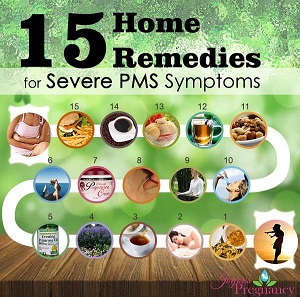
Premenstrual Syndrome (PMS)
refers to a group of physical, emotional, and behavioral symptoms that commonly occur one to two weeks before menstruation. These symptoms vary in type and intensity from person to person and may affect daily activities, mood, and overall well-being.
Common PMS symptoms include:
Acne
Breast tenderness
Bloating and abdominal discomfort
Constipation or diarrhea
Headaches
Fatigue
Mood changes, anxiety, or irritability
Food cravings
While dietary adjustments are often used to help manage symptoms once they appear, there are also preventive lifestyle strategies that may reduce symptom severity and improve comfort over time.
Many individuals find relief by making small but consistent dietary changes during the premenstrual phase, such as:
Reducing salt intake to help minimize bloating
Eating a variety of fruits and vegetables
Drinking adequate amounts of water
Increasing calcium-rich foods
Ensuring sufficient vitamin D intake
Snacking on nuts and seeds
Choosing complex carbohydrates
Eating whole grains instead of refined foods
These nutritional strategies may help support hormonal balance and overall energy levels.
Regular aerobic exercise is one of the most effective non-medical approaches to managing PMS symptoms. Research suggests that engaging in approximately 30 minutes of moderate aerobic activity most days of the week
may help reduce cramping, fatigue, low mood, and stress.
Beneficial aerobic activities include:
Walking or running
Jogging
Elliptical training
Cycling
Rowing
Swimming
To avoid injury and improve comfort, warming up before exercise and cooling down afterward is recommended.
Yoga
combines physical postures, controlled breathing, and relaxation techniques. It may be particularly helpful for managing PMS-related stress, anxiety, headaches, and emotional discomfort.
Gentle stretching and breathing exercises can help calm the nervous system and improve body awareness. Even short daily sessions may offer benefits.
Commonly practiced poses include:
Cobra Pose
Lotus Position
Shoulder Stand (Sarvangasana)
Triangle Pose (Trikonasana)
Consistency is more important than duration—incorporating relaxation practices into a daily routine can provide meaningful support.
Sleep disturbances, including insomnia
, can worsen PMS symptoms. Inadequate rest may increase fatigue, irritability, and pain sensitivity.
Most adults benefit from approximately 7–9 hours of quality sleep per night
. Establishing regular sleep routines, reducing screen time before bed, and creating a comfortable sleep environment may improve sleep quality and help ease PMS-related discomfort.
PMS symptoms differ from person to person. Identifying personal symptom patterns can help individuals choose appropriate lifestyle strategies and know when to seek professional support.
This article is intended for informational and educational purposes only and does not constitute medical advice.
It is not a substitute for professional medical diagnosis, treatment, or care. Individuals experiencing severe, persistent, or worsening PMS symptoms should consult a qualified healthcare provider for personalized guidance and treatment options.
Recent Posts
Exercises to Improve Your Mind and Body
Some Necessary Bodyweight Exercises You Must Do
Top Most Studied Genes In Human Body
Dealing With Stress in a Better Way
Essential Health Guides for a Healthy Life
Activities You Can Do To Stay Active This Summer
Healthy Habits For a Healthy Lifestyle
Some Effortless Tips To Manage Your Family
What Lifestyle Changes You Need To Do From Today
Blogs Archives
 0 Likes
 0 Love
 0 Interesting
 0 Congratulate
 0 Not So Good


Welcome to HWiz360 Games
Select to Play

FIT Score Quiz


Calorie Quiz

Nutrient Quiz

Feeling Lucky

Find Following

Knowledge Hunt



Choose box to open



Correct Answers :
You Scored 0%
You answered 0/0 correctly

Correct Answers :
You Scored 0%
You answered 0/0 correctly

Correct Answers :