 1 people reacted
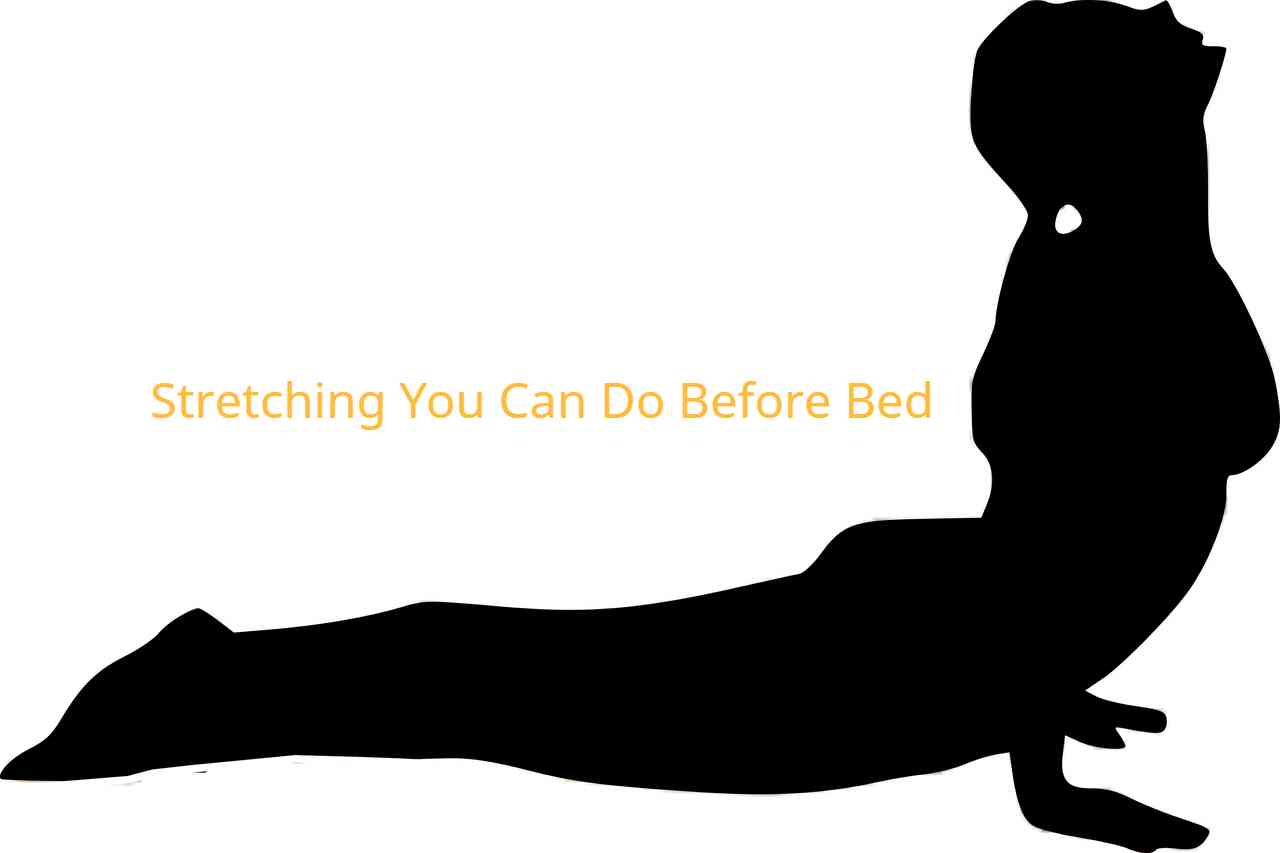
Stretching can be a relaxing way to end the day and may help release muscle tension after sitting, working, or exercising. A gentle stretching routine before bed can also provide a calming transition from daily activities to rest. Slow, comfortable movements combined with relaxed breathing may help you feel more comfortable and prepared for sleep.
A
bear hug stretch
can help loosen the muscles of the upper back and shoulders. Stand or sit comfortably and open your arms. Slowly cross your arms in front of your body as if giving yourself a hug. Allow your hands to reach toward your shoulder blades and gently round your upper back. Hold the stretch comfortably while breathing slowly, then switch the position of your arms and repeat.
Gentle neck stretches
may help reduce feelings of tightness in the neck and shoulders. Sit comfortably with your shoulders relaxed. Slowly tilt your head toward one shoulder without forcing the movement. Hold briefly, return to the center, and repeat on the other side. Move slowly and avoid stretching into pain.
A
kneeling lat stretch
can gently stretch the muscles of the back and shoulders. Kneel on a comfortable surface in front of a chair or other stable support. Slowly place your hands on the support and gently move your hips backward until you feel a comfortable stretch. Hold for several slow breaths before returning to the starting position.
Child's Pose
is another gentle position that many people find relaxing. Kneel comfortably, sit back toward your heels, and slowly lower your upper body forward as far as is comfortable. Focus on slow, steady breathing and avoid forcing the stretch.
Other gentle stretches that some people enjoy before bed include a seated forward bend, a reclining bound angle pose, or a legs-up-the-wall position.
The goal of stretching before bed is relaxation—not an intense workout. Keep movements gentle, breathe comfortably, and stop if you experience pain or discomfort.
Disclaimer:
This article is provided for general informational and educational purposes only and is not medical or professional fitness advice. Consult a qualified healthcare or fitness professional before beginning a new exercise or stretching routine, especially if you have an injury, medical condition, or persistent pain. Stop any movement that causes pain, dizziness, or significant discomfort.
Recent Posts
Exercises to Improve Your Mind and Body
Some Necessary Bodyweight Exercises You Must Do
Top Most Studied Genes In Human Body
Dealing With Stress in a Better Way
Essential Health Guides for a Healthy Life
Activities You Can Do To Stay Active During Summer
Healthy Habits For a Healthy Lifestyle
Some Effortless Tips To Manage Your Family
What Lifestyle Changes Can You Start Making Today?
Blogs Archives
1 Likes
 0 Love
 0 Interesting
 0 Congratulate
 0 Not So Good

Welcome to HWiz360 Games
Select to Play

FIT Score Quiz


Calorie Quiz

Nutrient Quiz

Feeling Lucky

Find Following

Knowledge Hunt



Choose box to open



Correct Answers :
You Scored 0%
You answered 0/0 correctly

Correct Answers :
You Scored 0%
You answered 0/0 correctly

Correct Answers :