ASMR
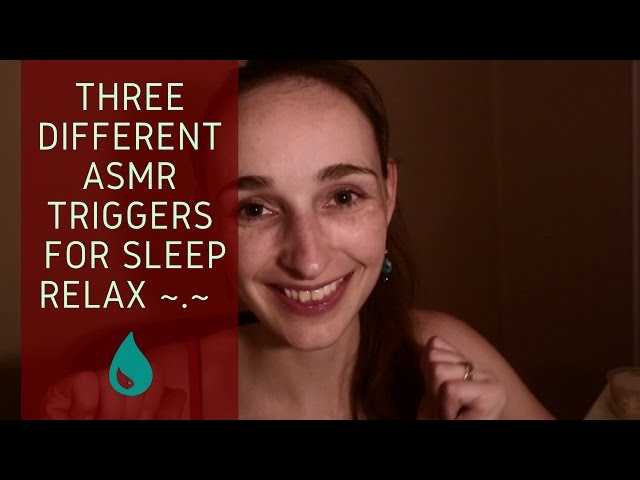
stands for Autonomous Sensory Meridian Response. It refers to a calming, tingling sensation that some people experience in response to certain sounds, visuals, or situations. In recent years, ASMR has become widely popular on social media platforms and video-sharing sites, where creators share content featuring different “triggers” designed to promote relaxation.
Not everyone experiences ASMR in the same way. What works for one person may not work for another. However, many individuals report that specific ASMR triggers help them feel calmer, reduce anxiety, and fall asleep more easily. This article explores some of the most commonly reported ASMR triggers that may support relaxation and sleep.
Sound is one of the most common ASMR trigger categories. Pleasant or gentle sounds may help calm the nervous system and create a sense of comfort.
Whispering
Soft, gentle whispering is one of the most widely reported ASMR triggers. Many people find it soothing and relaxing, which may help reduce stress.
Scratching
Scratching sounds (such as nails on textured surfaces) are popular but can be polarizing—some find them deeply relaxing, while others find them unpleasant.
Blowing
Gentle blowing sounds often create a similar calming effect to whispering and may help some people unwind before sleep.
Tapping
Tapping sounds—such as fingernails on wood, glass, or plastic—are rhythmic and repetitive, which many people find relaxing.
Other sound triggers include:
Page turning
Writing or typing
Soft clinking sounds
Humming or buzzing
Chewing (for some individuals)
Water droplets
Cat purring
Motor humming
Clock ticking
Although these sounds may seem unusual, many people report positive emotional or relaxation responses to them.
Situational triggers often involve context, interaction, or perceived personal attention
rather than sound alone. These triggers are commonly experienced through videos or guided scenarios.
Common situational triggers include:
Personal attention (e.g., simulated care or focus)
Role-play scenarios
Gentle eye contact
Certain words or speech patterns
These triggers may promote a sense of safety, comfort, or familiarity, which can be calming for some individuals.
Visual ASMR does not rely on sound. Instead, it uses slow, deliberate movements or visually engaging patterns to create a relaxing response.
Examples of visual triggers include:
Light patterns
Paint mixing or blending
Color swatching
Slow hand movements
Watching someone concentrate or perform detailed tasks
For some people, these visuals alone are enough to induce relaxation or drowsiness.
ASMR does not affect everyone
Some people may never experience the tingling sensation associated with ASMR
Scientific research on ASMR is still limited
Responses vary widely based on personal sensitivity and preferences
ASMR should be viewed as a comfort or relaxation tool
, not a guaranteed solution for anxiety or sleep difficulties.
ASMR triggers can be a gentle, non-invasive way to explore relaxation and support better sleep for some individuals. Experimenting with different triggers may help you discover what works best for your own comfort and emotional well-being.
This article is intended for informational and educational purposes only and does not constitute medical, psychological, or mental health advice.
ASMR is not a substitute for professional treatment. If you experience persistent anxiety, insomnia, or mental health concerns, please consult a qualified healthcare or mental health professional.
Recent Posts
Exercises to Improve Your Mind and Body
Some Necessary Bodyweight Exercises You Must Do
Top Most Studied Genes In Human Body
Dealing With Stress in a Better Way
Essential Health Guides for a Healthy Life
Activities You Can Do To Stay Active This Summer
Healthy Habits For a Healthy Lifestyle
Some Effortless Tips To Manage Your Family
What Lifestyle Changes You Need To Do From Today
Blogs Archives
 0 Likes
 0 Love
 0 Interesting
 0 Congratulate
 0 Not So Good

Welcome to HWiz360 Games
Select to Play
FIT Score Quiz

Calorie Quiz

Nutrient Quiz

Feeling Lucky

Find Following
Knowledge Hunt



Choose box to open


Correct Answers :
You Scored 0%
You answered 0/0 correctly

Correct Answers :
You Scored 0%
You answered 0/0 correctly

Correct Answers :