
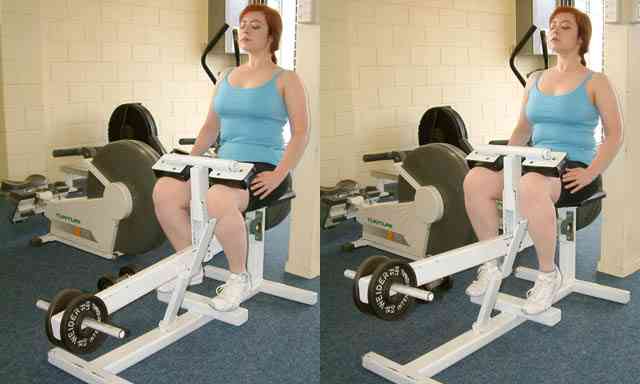
The pelvic floor is a group of muscles that supports the bladder, bowel, and uterus. These muscles help control urination and bowel movements, support the pelvic organs, and contribute to sexual function. Pregnancy, childbirth, aging, and other factors can affect pelvic floor strength and coordination. When these muscles are not functioning properly, some women may experience urinary leakage, difficulty controlling the bladder, or a feeling of pelvic heaviness.
Regular pelvic floor exercises can help strengthen these muscles and improve bladder control for many women. The key is to use the correct technique and allow the muscles to relax fully between contractions.
Kegel Exercises
Kegels are a common form of pelvic floor muscle training. To identify the correct muscles, imagine gently squeezing the muscles you would use to prevent passing gas. You should feel a gentle tightening and lifting sensation around the pelvic area.
You may briefly try stopping urine flow to help identify the muscles, but do not make this a regular exercise. If you are unsure whether you are using the correct muscles, a healthcare professional or pelvic floor physical therapist can help.
Squats and Glute Bridges
Squats strengthen the legs and glutes while engaging the core. Stand with your feet about shoulder-width apart, bend your knees as if sitting in a chair, and return to standing.
For a glute bridge, lie on your back with your knees bent and feet flat on the floor. Gently lift your hips, pause briefly, and lower them slowly. Breathe normally and avoid straining.
These exercises can complement a broader fitness routine, but they do not replace targeted pelvic floor training when that training is needed.
Practice With Care
Consistency and correct technique are more important than performing large numbers of repetitions. Pelvic floor exercises are not suitable for every problem; if they cause pain or worsen symptoms, stop and seek professional guidance. Persistent urinary leakage, pelvic discomfort, or a feeling of pressure or bulging should also be assessed by a qualified healthcare professional.
Disclaimer:
This article is provided for general informational and educational purposes only and does not constitute medical, physical therapy, or professional advice. Individual needs and responses vary. Consult a qualified healthcare professional or pelvic floor physical therapist for personalized guidance, particularly if you experience pain, urinary or bowel problems, or symptoms of pelvic organ prolapse.
Recent Posts
Exercises to Improve Your Mind and Body
Some Necessary Bodyweight Exercises You Must Do
Top Most Studied Genes In Human Body
Dealing With Stress in a Better Way
Essential Health Guides for a Healthy Life
Activities You Can Do To Stay Active This Summer
Healthy Habits For a Healthy Lifestyle
Some Effortless Tips To Manage Your Family
What Lifestyle Changes You Need To Do From Today
Blogs Archives
 0 Likes
 0 Love
 0 Interesting
 0 Congratulate
 0 Not So Good


Welcome to HWiz360 Games
Select to Play

FIT Score Quiz


Calorie Quiz

Nutrient Quiz

Feeling Lucky

Find Following

Knowledge Hunt



Choose box to open



Correct Answers :
You Scored 0%
You answered 0/0 correctly

Correct Answers :
You Scored 0%
You answered 0/0 correctly

Correct Answers :