 1 people reacted
Squatting is one of the most natural and functional movements the human body can perform. If you experience ongoing back pain, knee discomfort, or tight hips, limited mobility or improper squat mechanics may be contributing factors. Modern lifestyles—especially prolonged sitting—often reduce flexibility in the hips and ankles while weakening the core, which can affect how well you move.
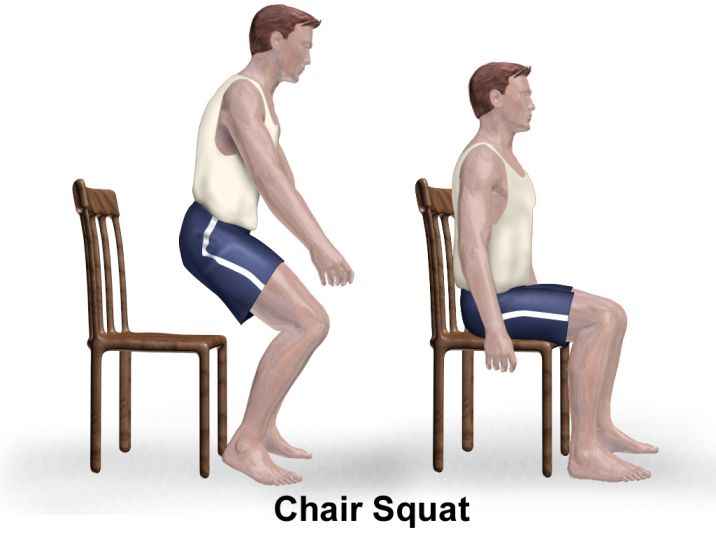
A simple way to assess your squat is to stand barefoot with your feet hip-width apart and toes pointing forward. Slowly lower yourself into a squat while keeping your heels flat on the floor. If you struggle to descend without lifting your heels, leaning excessively forward, or losing balance, mobility restrictions may be present.
A properly performed squat engages the hips, knees, ankles, glutes, and core. It supports everyday activities such as walking, lifting, climbing stairs, and participating in sports. When movement is restricted, other areas of the body may compensate, increasing stress on the joints and potentially leading to discomfort.
Improving squat performance often involves strengthening the core and increasing hip and ankle mobility through controlled drills and consistent practice. Progress gradually and focus on proper alignment rather than depth alone.
Disclaimer: This content is for informational and educational purposes only and does not constitute medical, physical therapy, or professional fitness advice. If you experience persistent pain or mobility limitations, consult a qualified healthcare or movement professional before beginning new exercises.
Recent Posts
Exercises to Improve Your Mind and Body
Some Necessary Bodyweight Exercises You Must Do
Top Most Studied Genes In Human Body
Dealing With Stress in a Better Way
Essential Health Guides for a Healthy Life
Activities You Can Do To Stay Active This Summer
Healthy Habits For a Healthy Lifestyle
Some Effortless Tips To Manage Your Family
What Lifestyle Changes You Need To Do From Today
Blogs Archives
1 Likes
 0 Love
 0 Interesting
 0 Congratulate
 0 Not So Good


Welcome to HWiz360 Games
Select to Play
FIT Score Quiz


Calorie Quiz

Nutrient Quiz

Feeling Lucky

Find Following

Knowledge Hunt



Choose box to open



Correct Answers :
You Scored 0%
You answered 0/0 correctly

Correct Answers :
You Scored 0%
You answered 0/0 correctly

Correct Answers :